The Difference between Afternoon Tea and High Tea – The simple and historic difference between Afternoon Tea (Low Tea) and High Tea explained
With Recipes and a Photo Gallery of both Teas and Cream Teas
High Tea or Afternoon Tea – what’s the difference?
There appears to be some confusion between afternoon tea and high tea, so I thought I’d try to explain the very big difference between them today.
Today’s post is all about the difference between an Afternoon Tea and High Tea, with the historic differences between Afternoon Tea (Low Tea) and High Tea explained.
I recently posted about this on my Instagram account here: The Difference between Afternoon Tea and High Tea, and as you can see if you visit the post, it became a very lively and interesting discussion.
It all happened due to a rather unpleasant comment I had, as I’ll explain below…….
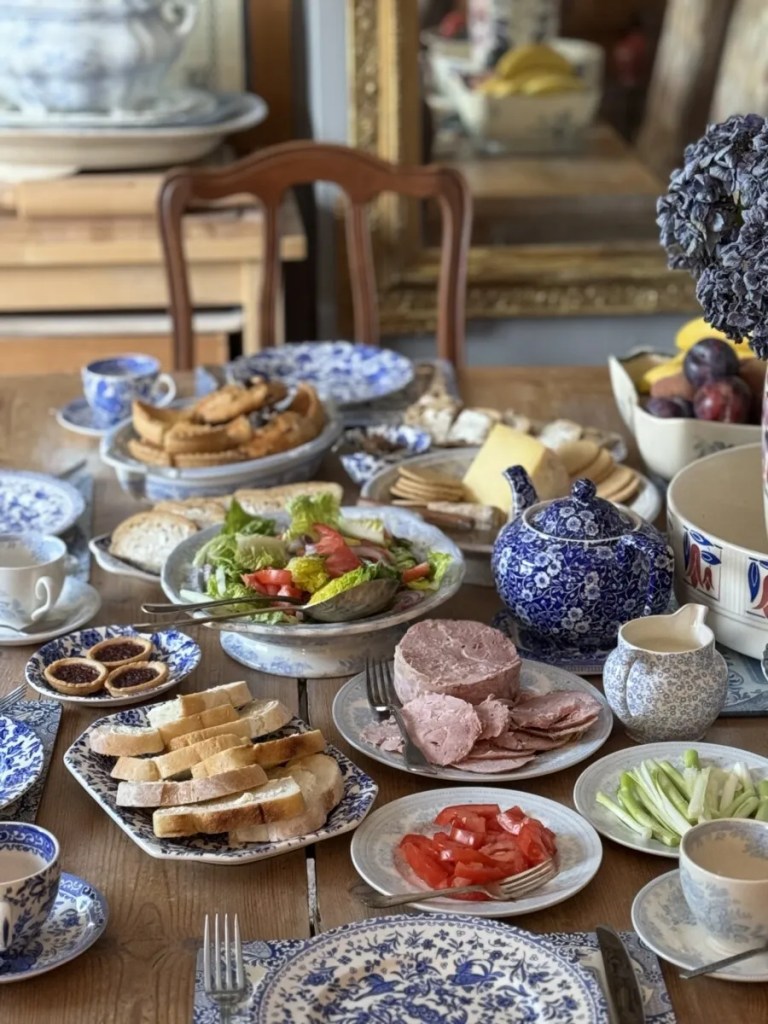
……..I had a comment, which I sadly had to delete (I never normally delete comments, but this one was so rude, I felt it was necessary) telling me that my high tea wasn’t a high tea at all, as there were no scones and that it was just a selection of “snacks” – there were a few rude words in the comment too, which is why I deleted it.
I now realise, based on many comments I had on my Instagram post, that in the United States, and Australia mainly, they have a completely different name for what we call Afternoon Tea, and High Tea, hence the comment I had, which could have been better put to be honest.
It’s not that they’re wrong, as they have obviously tweaked the names to suit what they think is best, but as someone who loves history, and who has researched and written about historical feasts and festivals, I think it would be nice to explain why these teas are so different, based on their cultural and historical origins in the United Kingdom.
The difference between them is very simple, as I’ll now explain……
Afternoon Tea
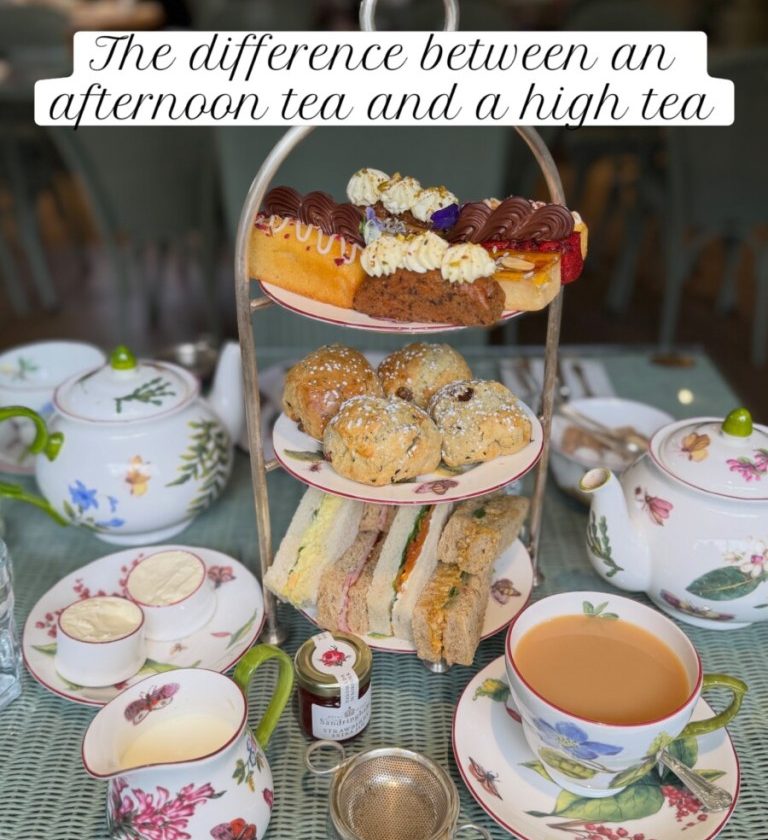
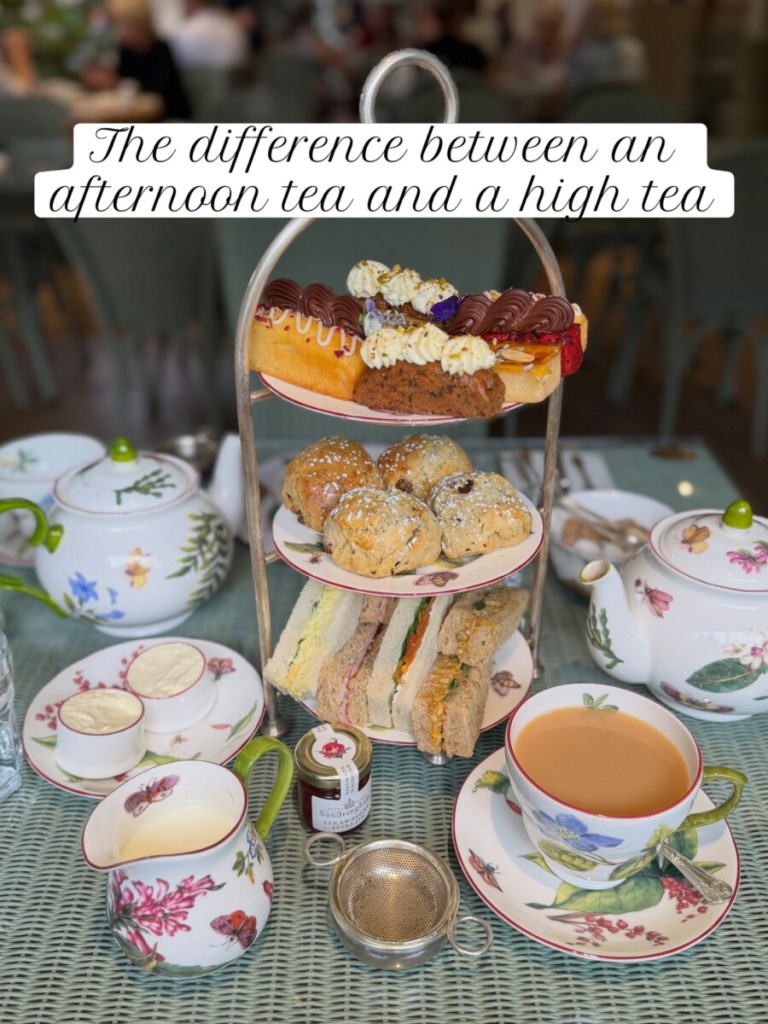
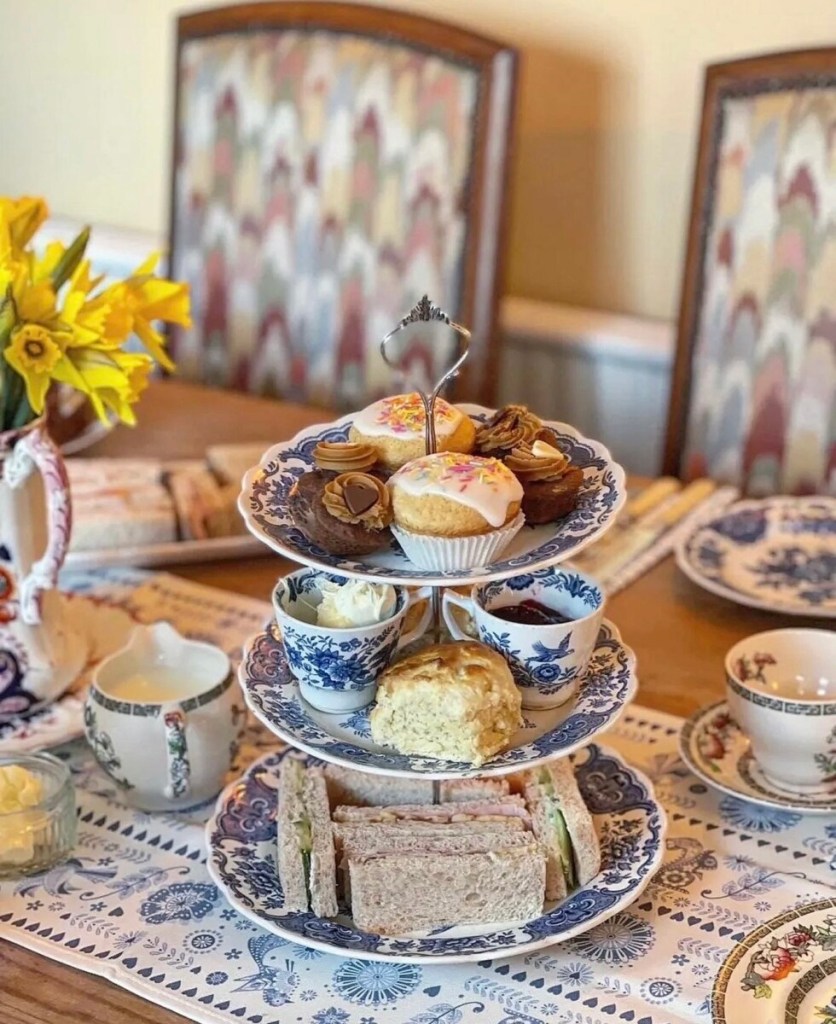
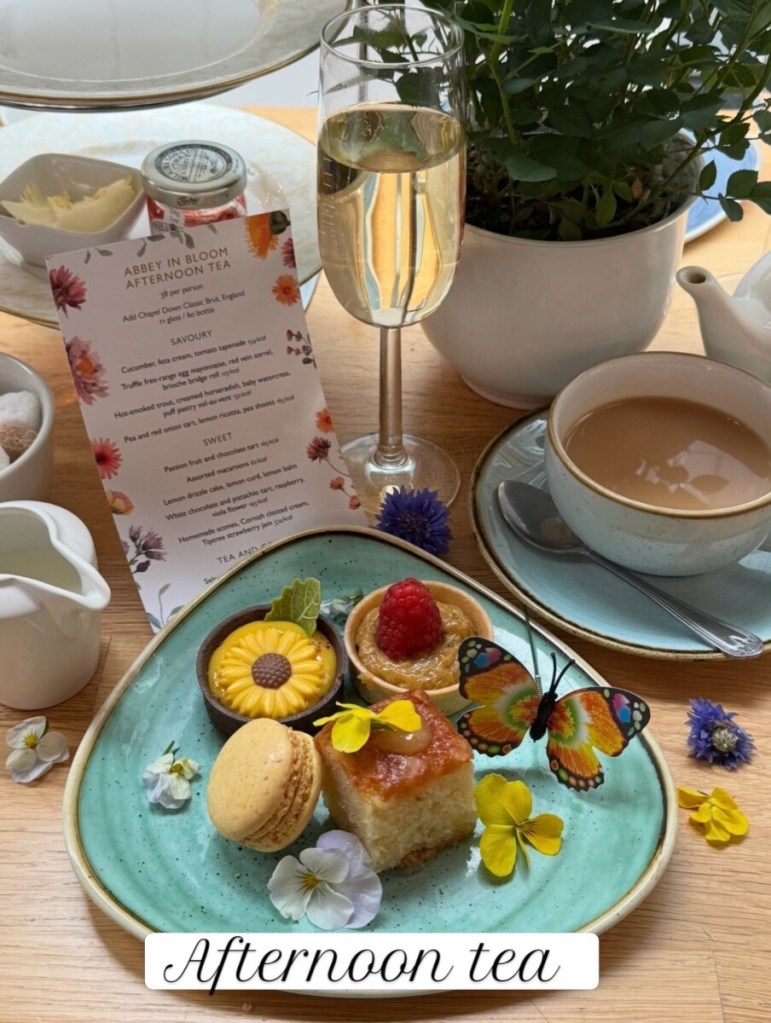
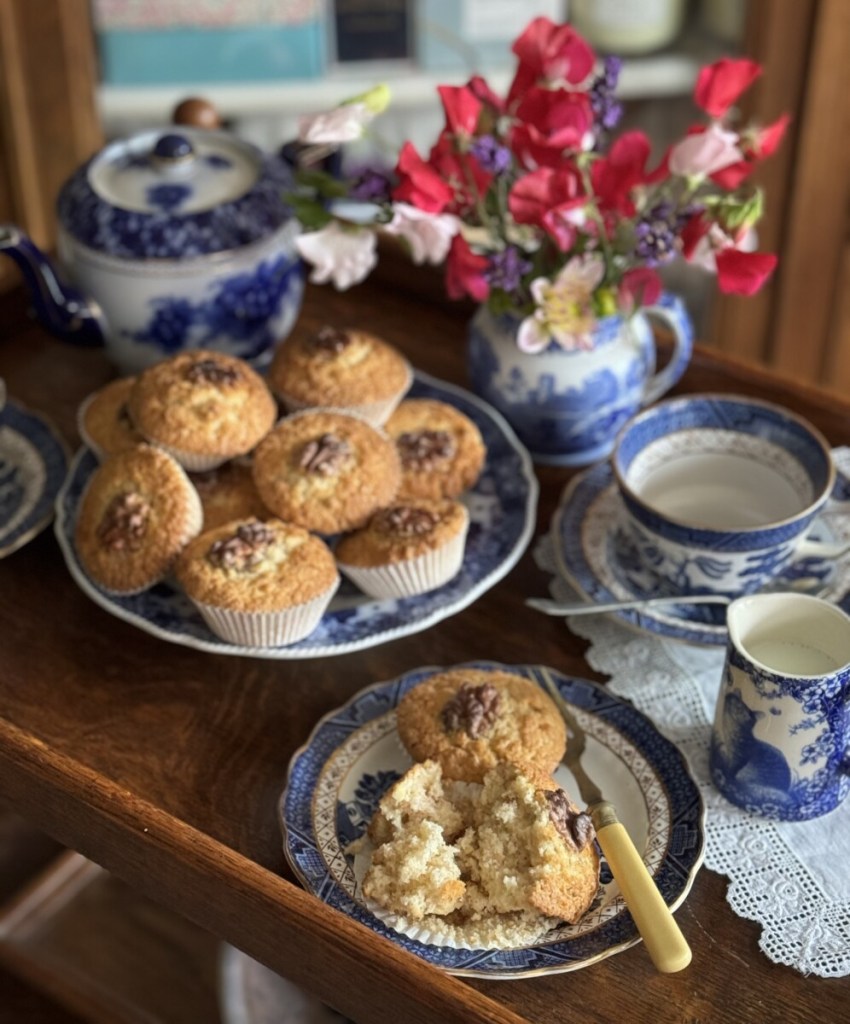
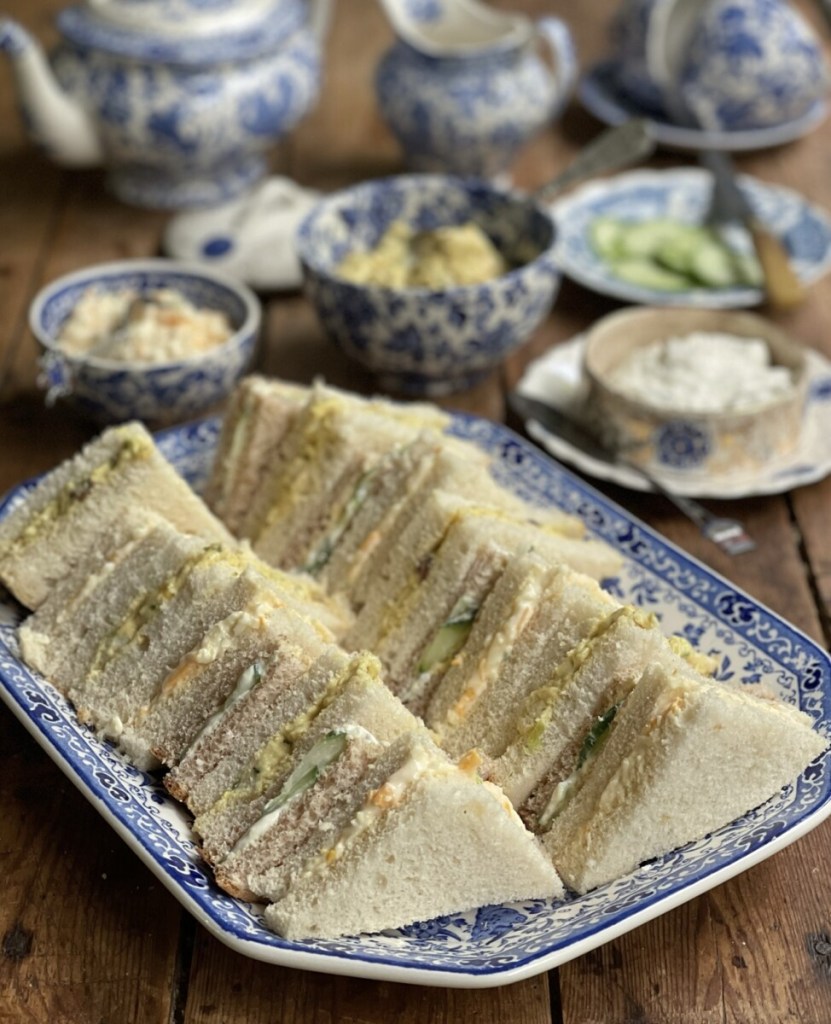
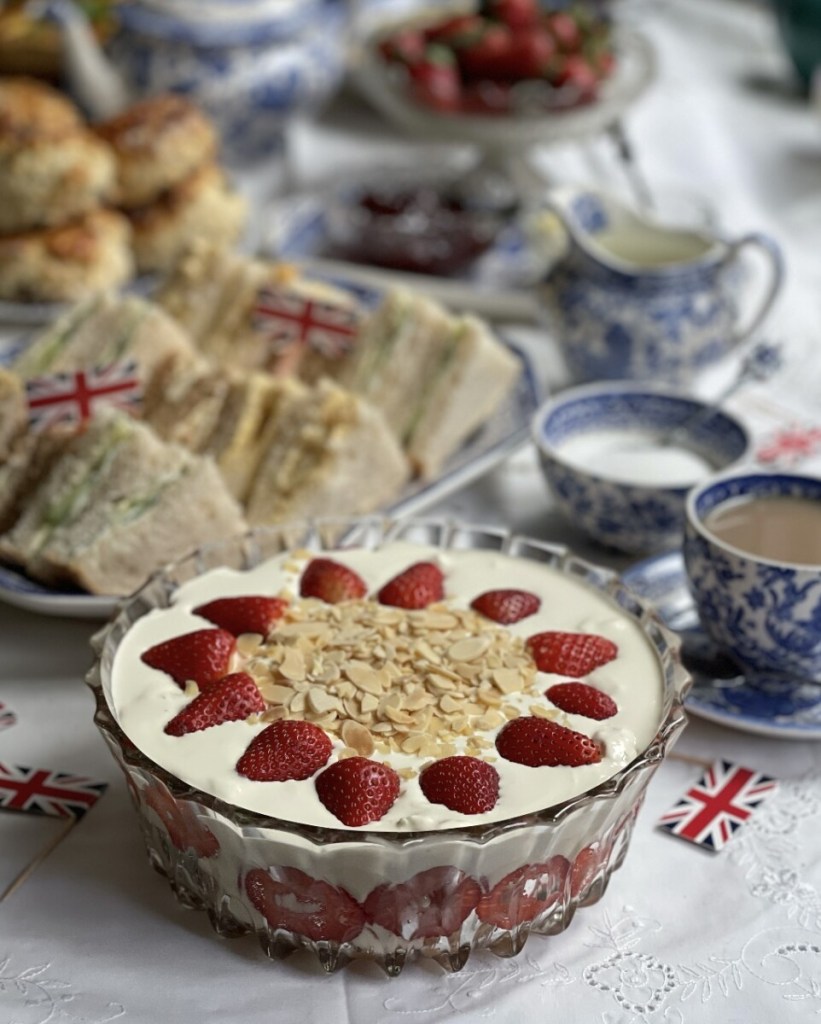
Afternoon tea, which can also be called Low Tea, because it’s often taken at a low table (side tables or coffee tables) in the parlour, salon or drawing room, usually comprises elegant finger sandwiches, scones with jam & cream and a selection of small, dainty cakes.
It is often attributed to the Duchess of Bedford, who around 1840, asked for a plate of sandwiches and some small baked delicacies to be served to her mid afternoon, as she “felt a little empty” between lunch and dinner.
However, many “spa” towns in England, such as Bath and Harrogate were already serving “afternoon tea” throughout the late 1700’s and early 1800’s.
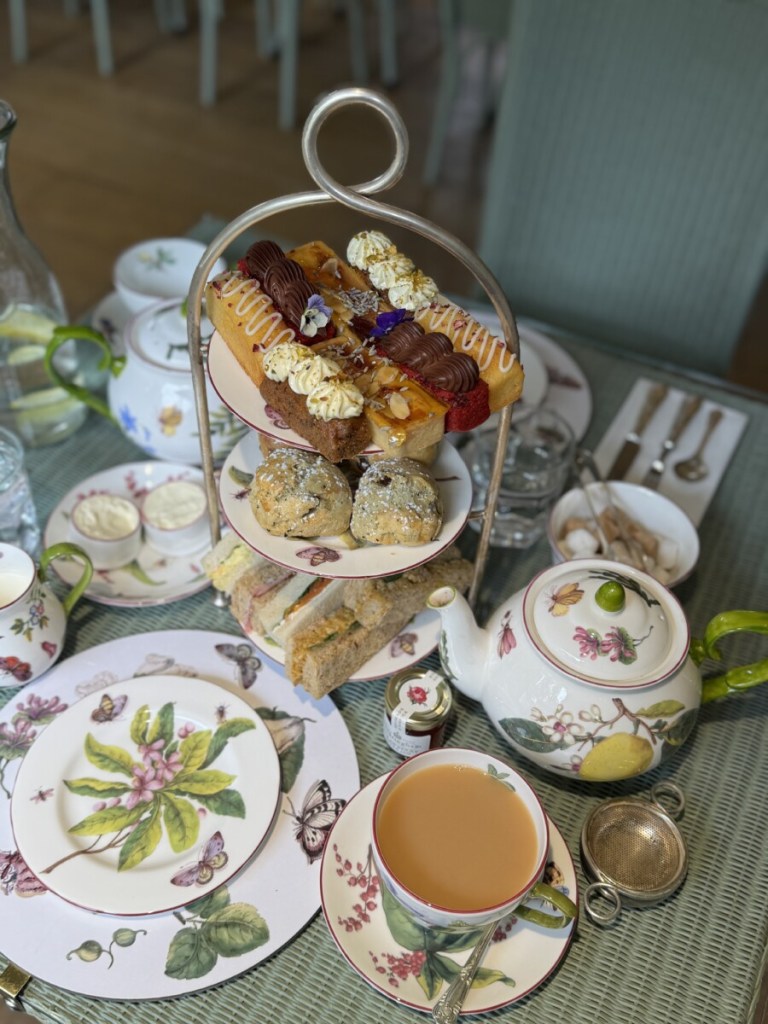
Socially, it was essentially an upper class tea taken whilst sitting in comfortable arm chairs and settees, which proved hugely popular with the gentry, and in private homes, initially mainly attended by ladies.
A traditional Afternoon tea is usually served on a three tier cake stand, and comprises:
- Bottom tier: Assorted finger sandwiches, and small savoury pies, flans or sausage rolls sometimes
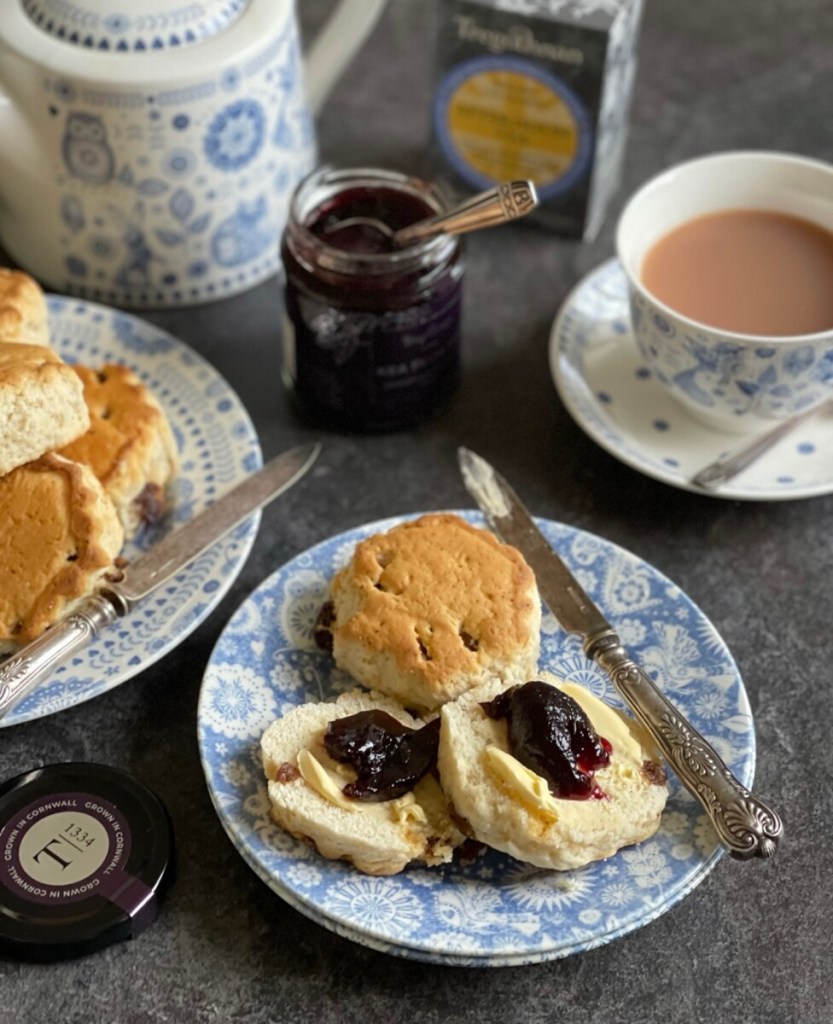
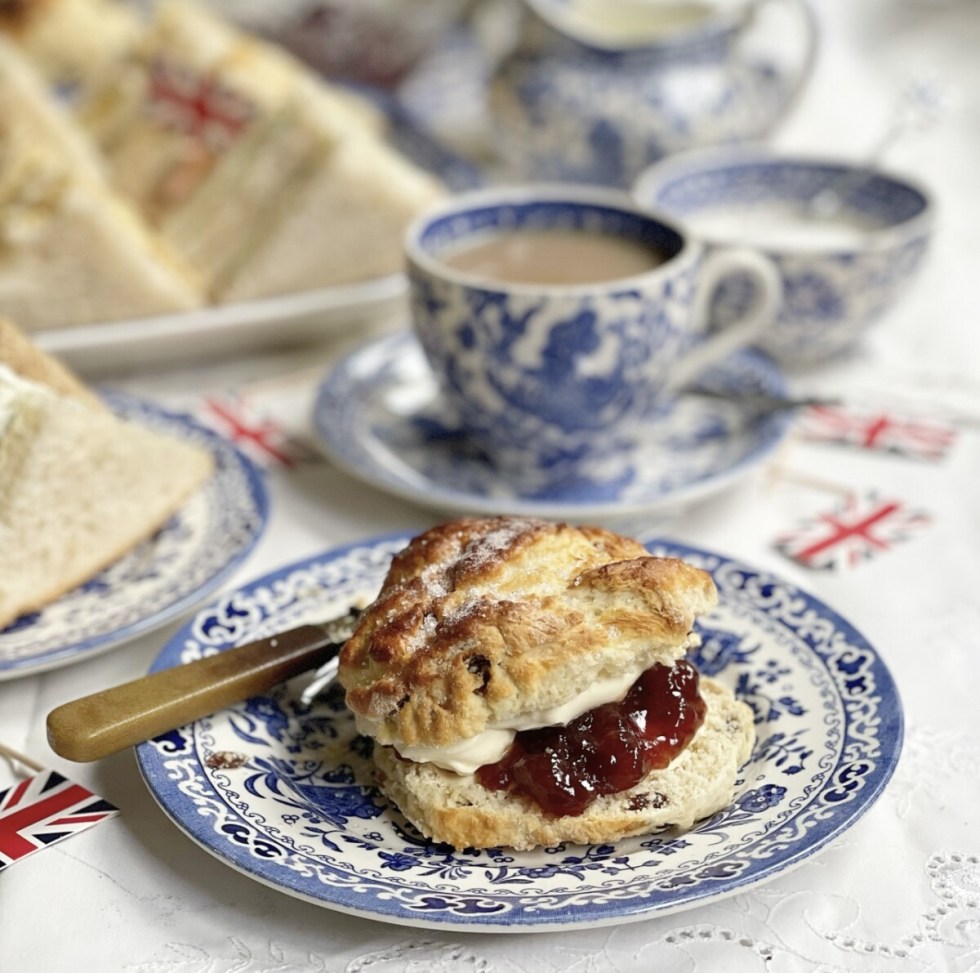
- Middle tier: Scones, either fruit or plain or both, with jam and cream – usually clotted cream, with butter sometimes.
- Top tier: Assorted dainty cakes, macarons, tarts and fondant fancies.
High Tea
High tea may sound posh, and very upper class, but it isn’t at all – I think a lot of people in North America often think an afternoon tea is a high tea, hence the misinformed comment I received.
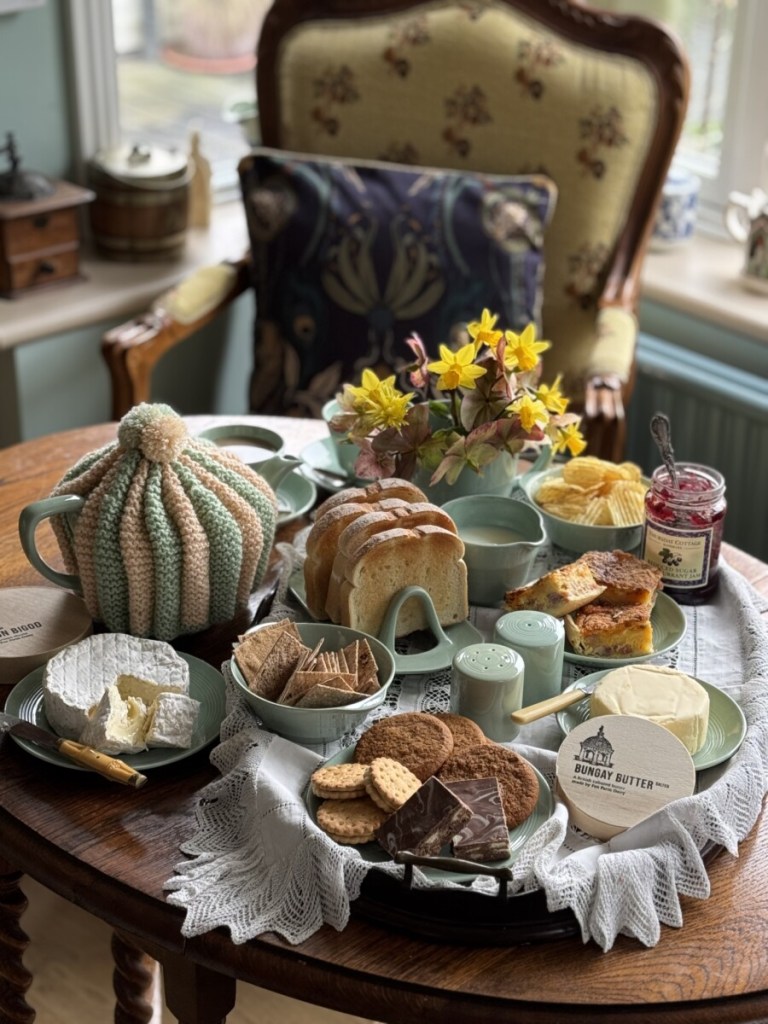
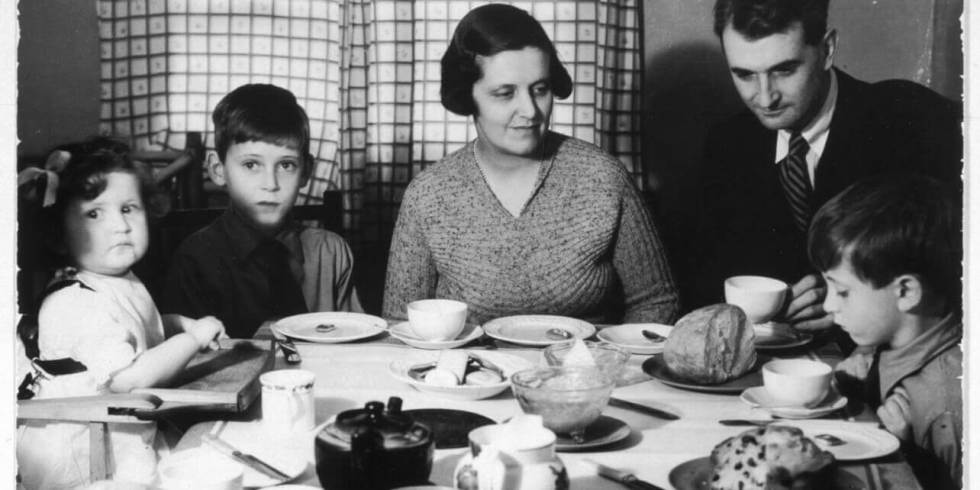
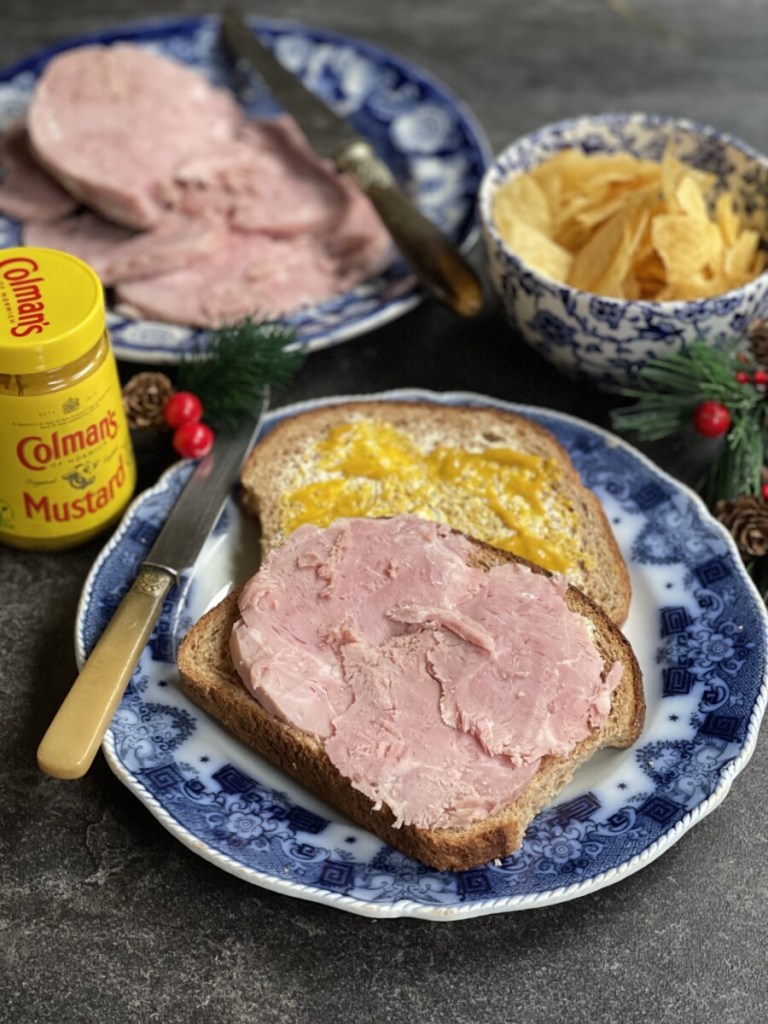
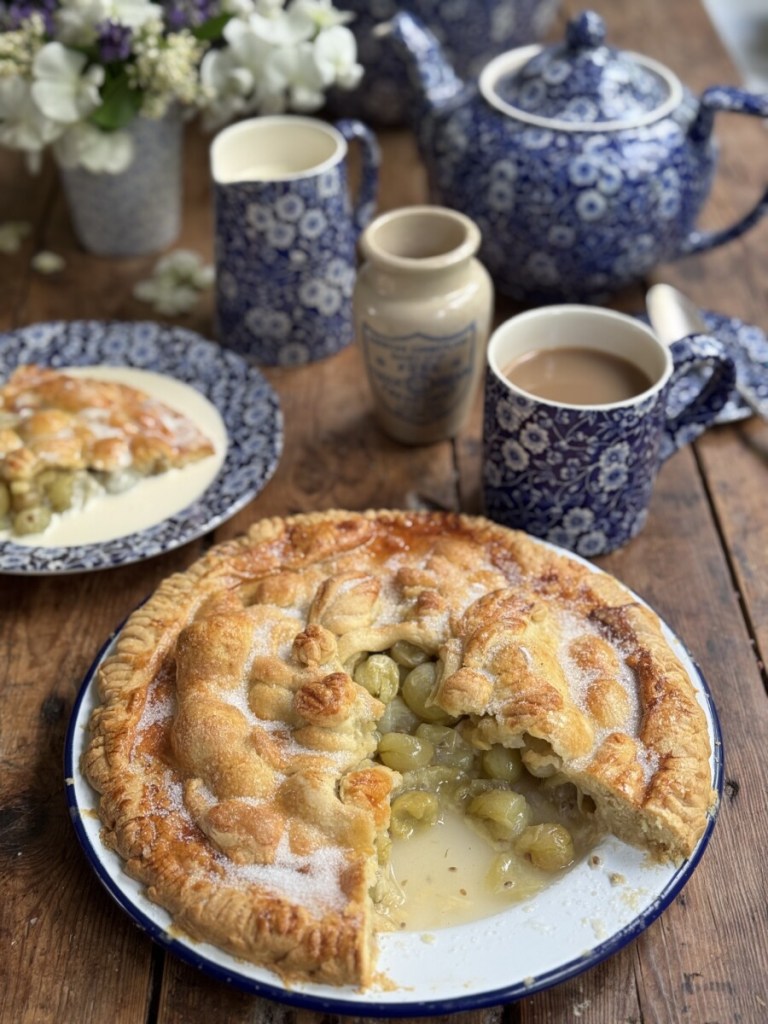
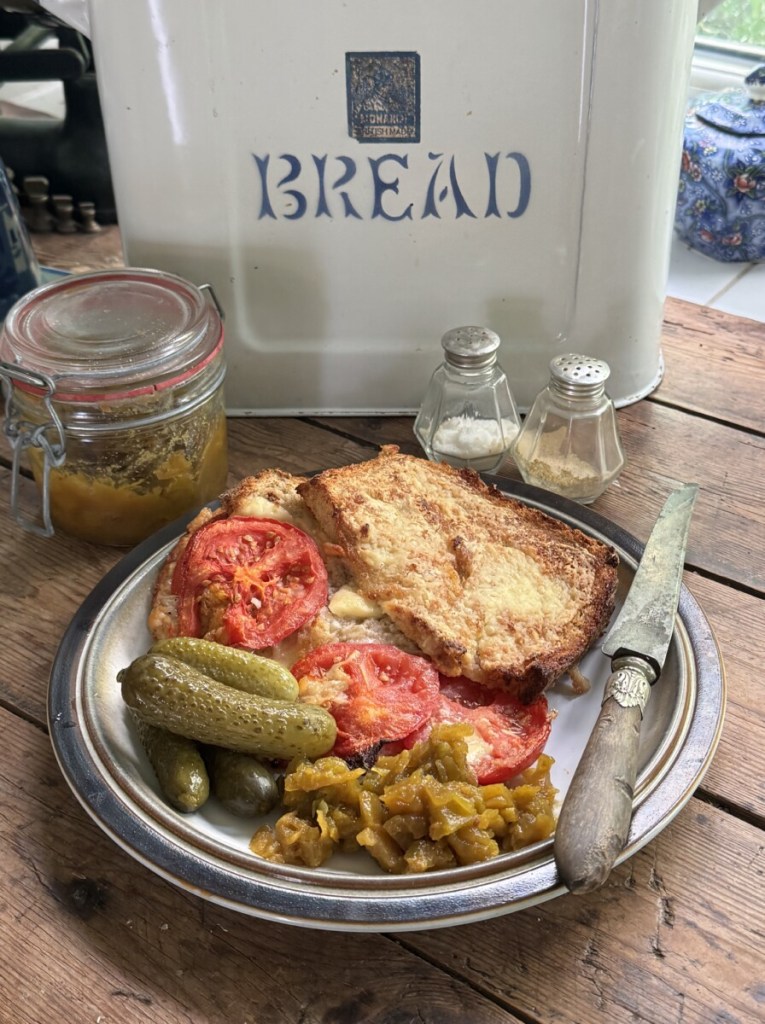
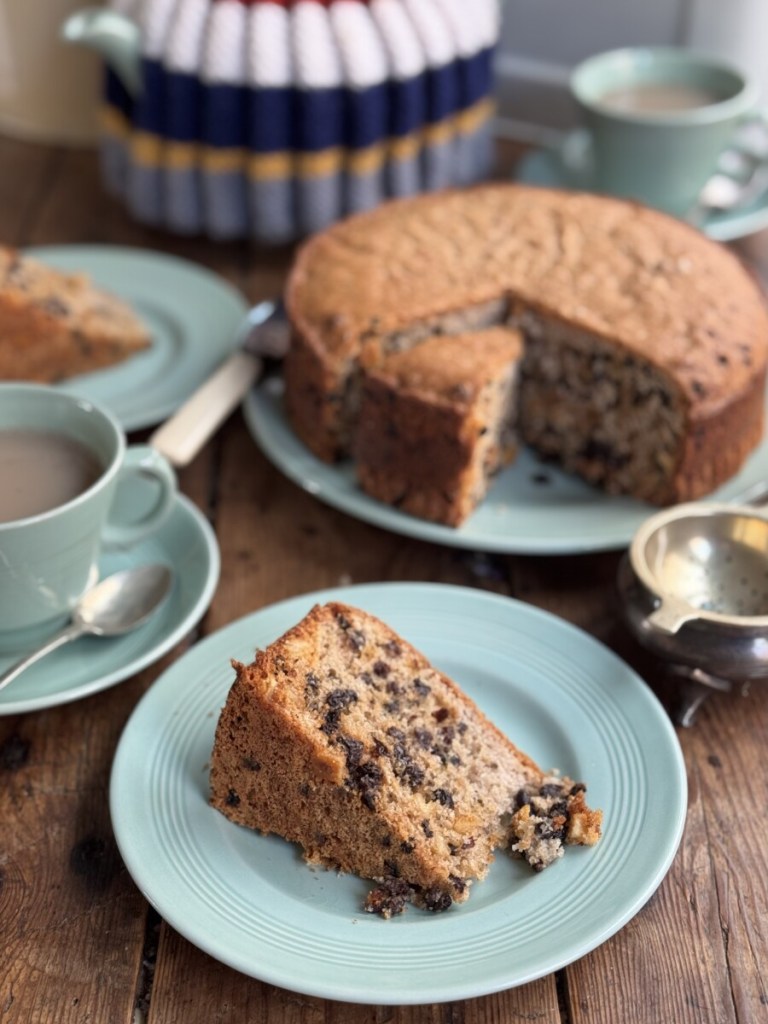
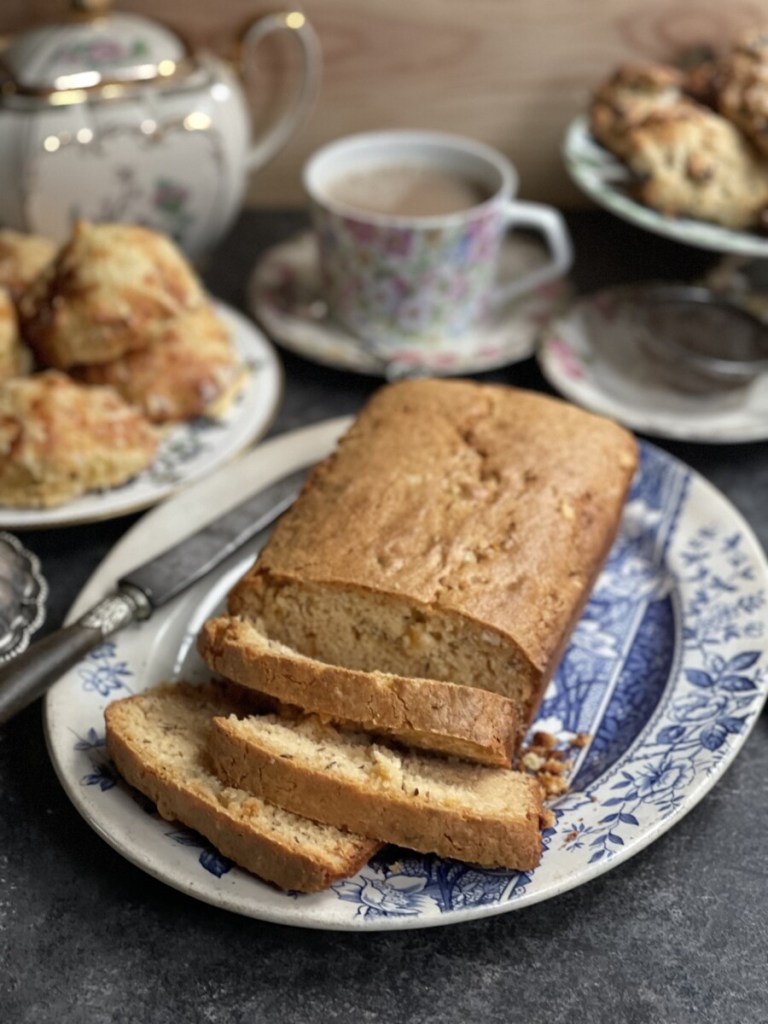
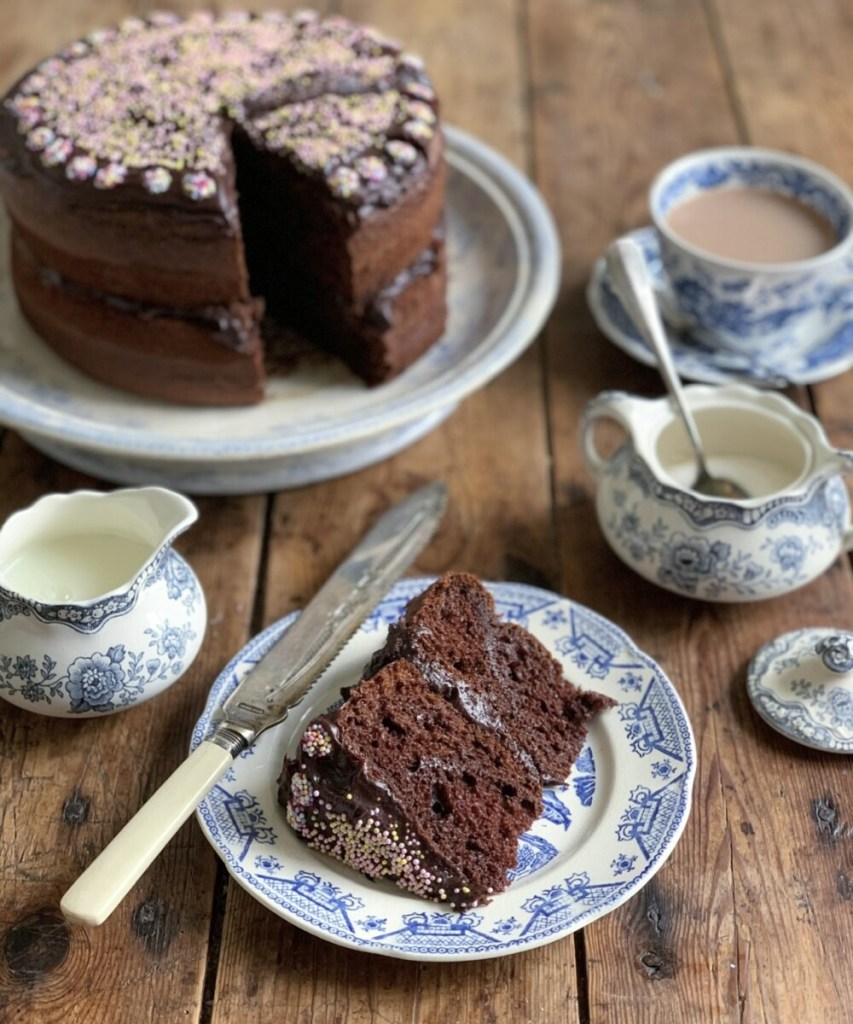
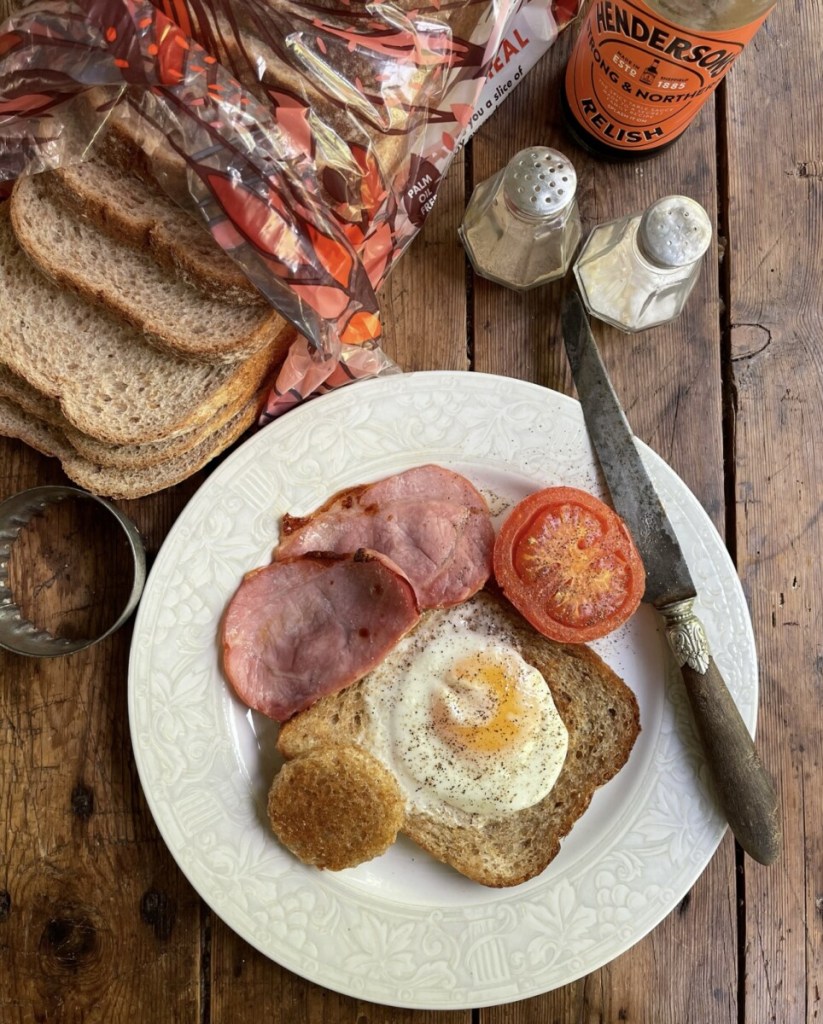
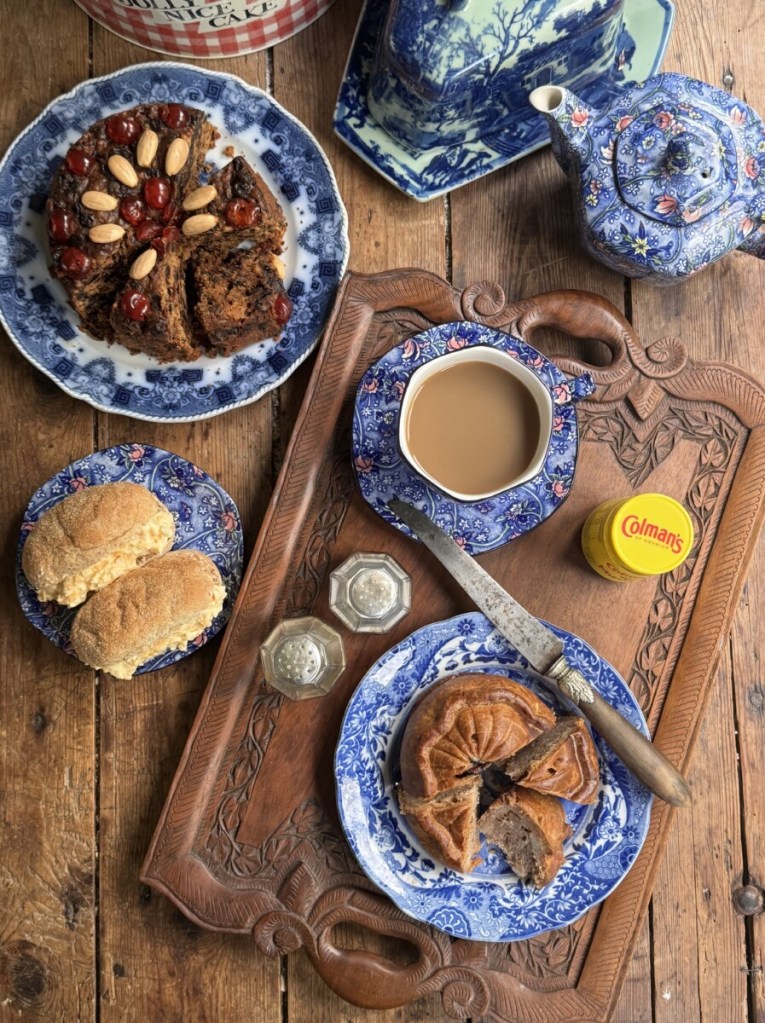
High tea is taken at a kitchen or dining room table – hence high tea, as you’re sitting at a high table on a dining or kitchen chair, and it’s a hearty meal, historically for the working classes, which can include (although this list isn’t definitive), the following:
- boiled ham
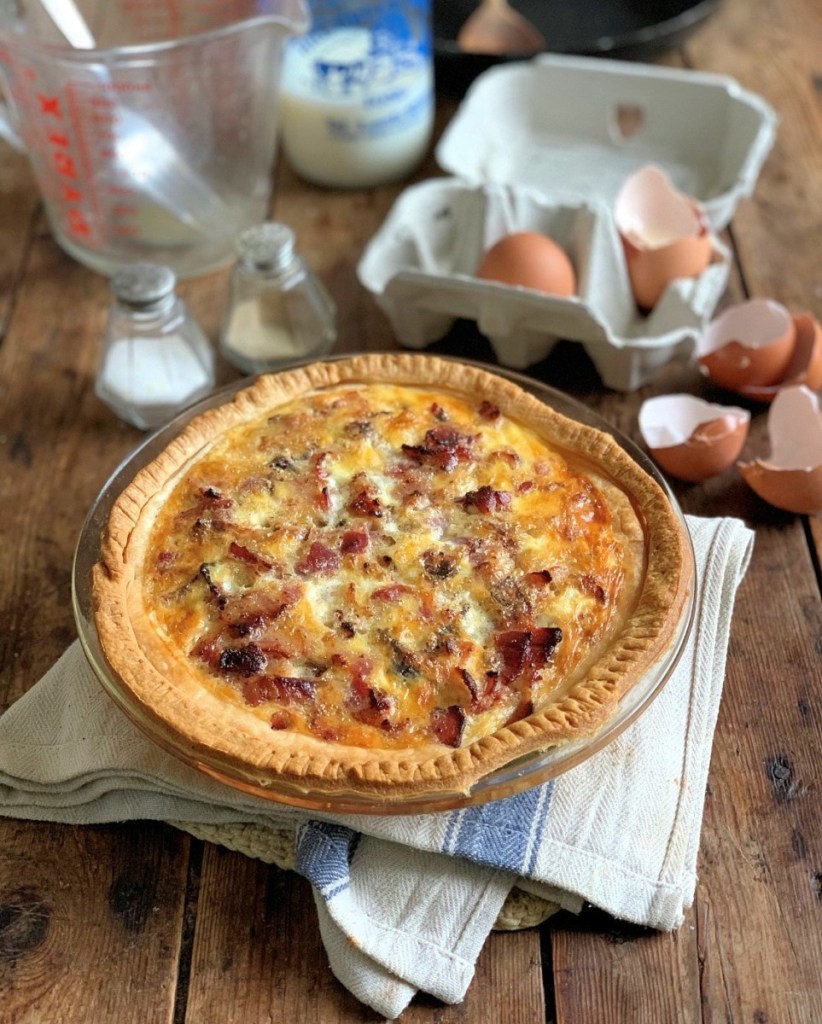
- bacon & eggs
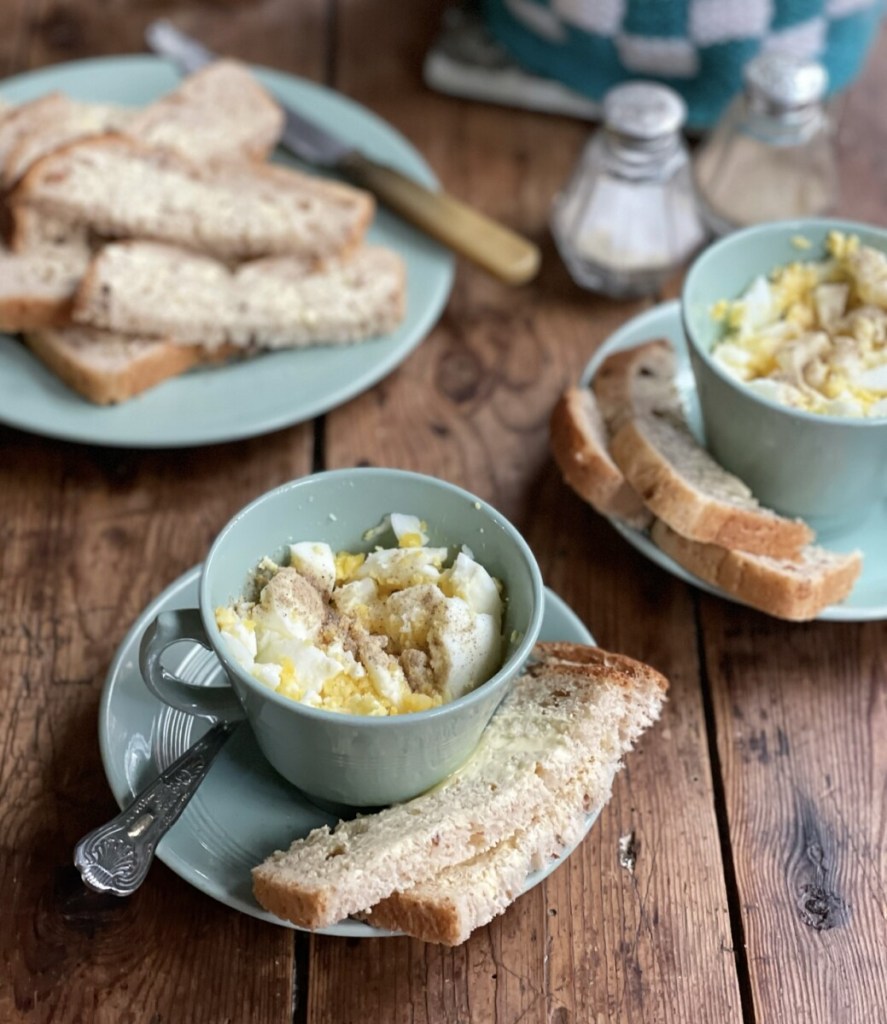
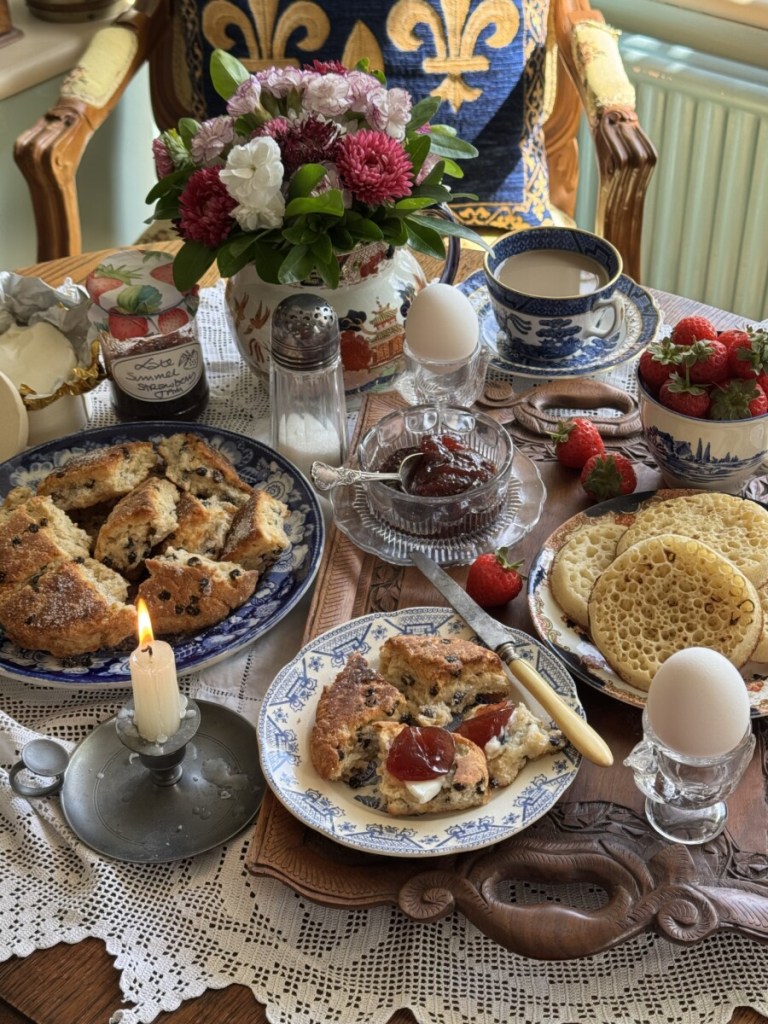
- boiled eggs
- kippers
- toasted muffins with butter
- hot buttered crumpets
- Welsh rarebit
- cheese, beans, mushrooms or egg on toast
- pork pie
- hot buttered toast – toasted over the fire in the winter, on a toasting fork
- potted shrimps
- tinned salmon
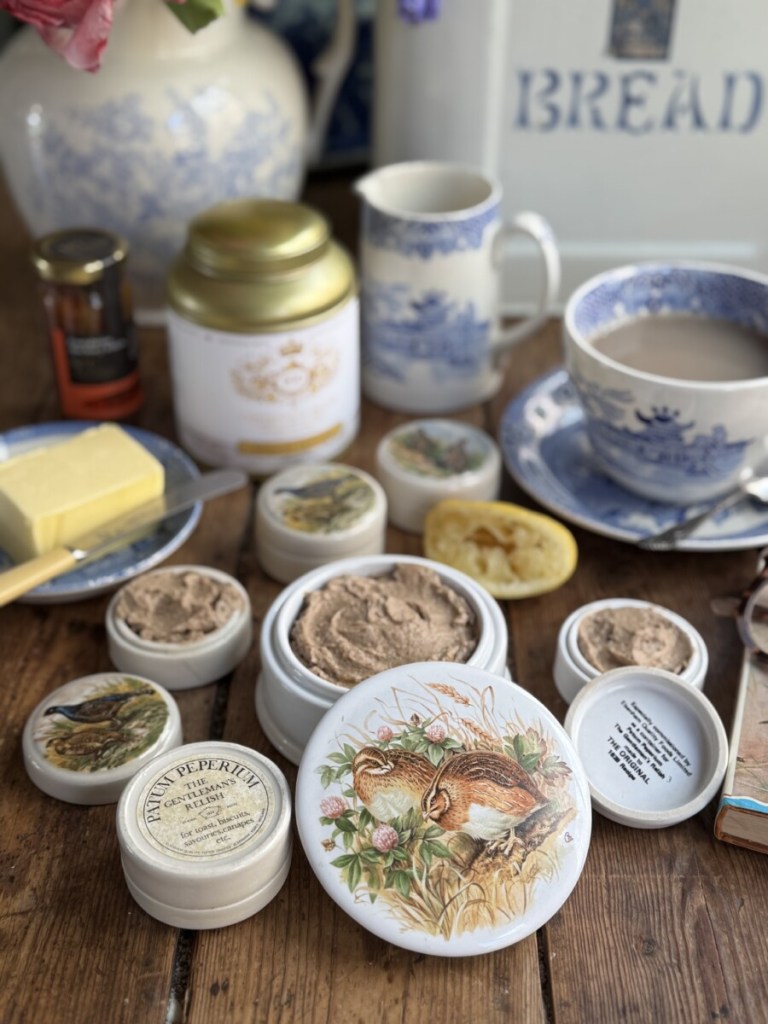
- Gentleman’s relish
- drop scones or pancakes
- bread & butter
- quick pickled cucumber, pickles and chutney
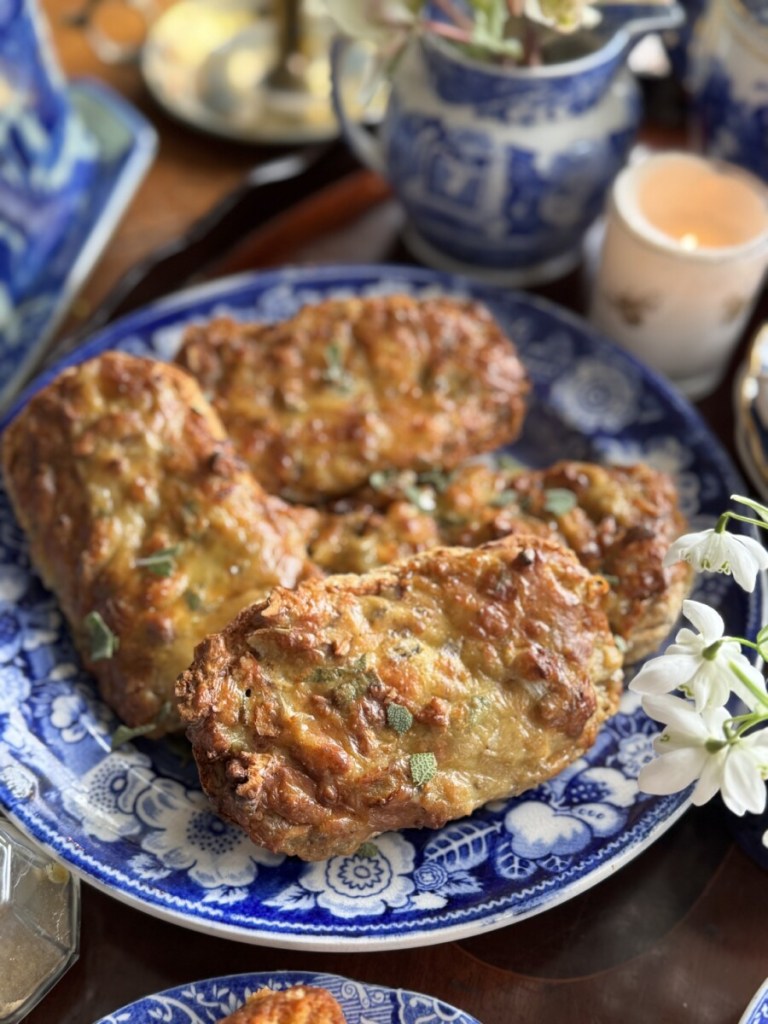
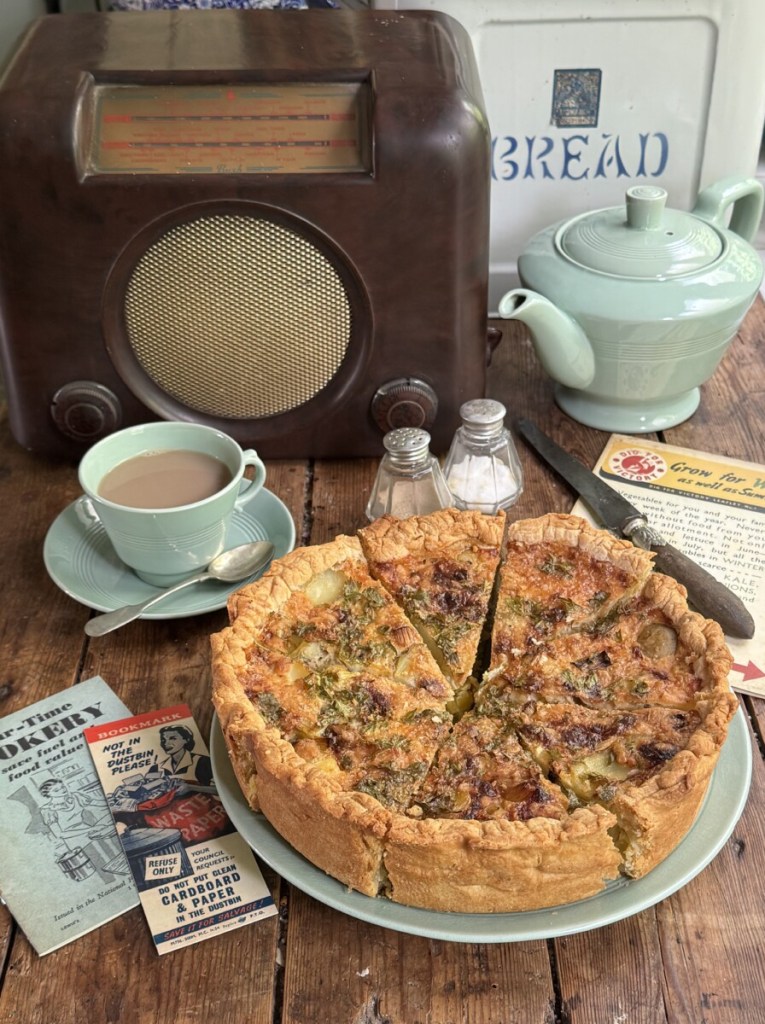
- savoury tarts & flans
- sweet pastries such as jam tarts
- sandwiches
- assorted cheeses
- salads
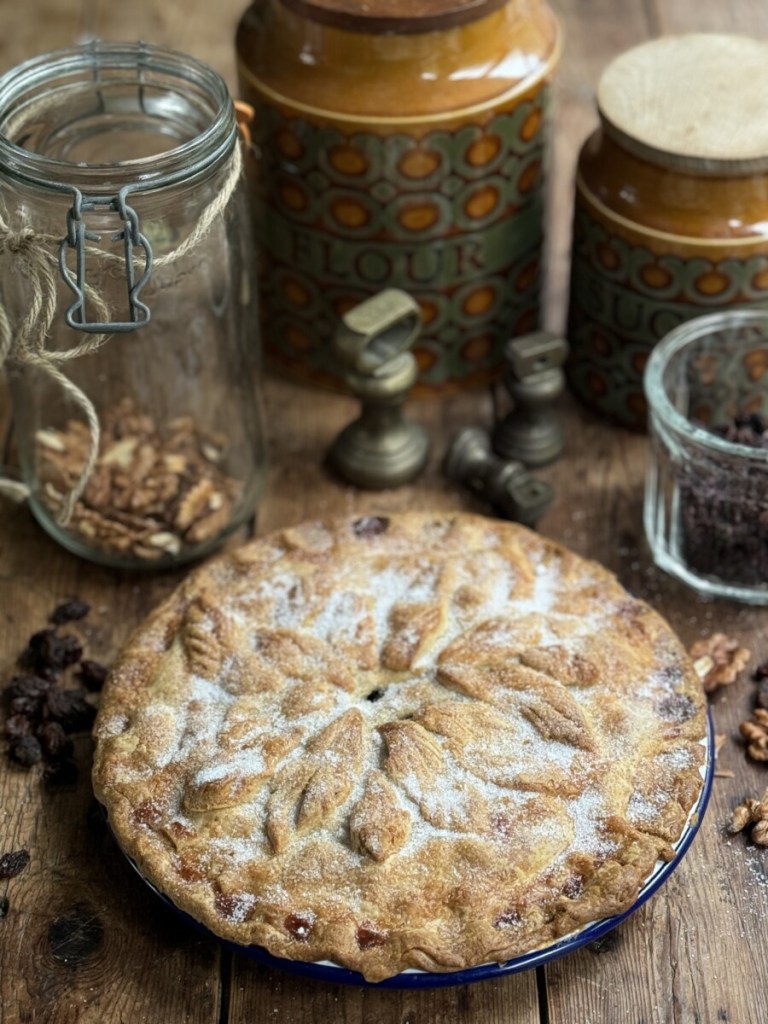
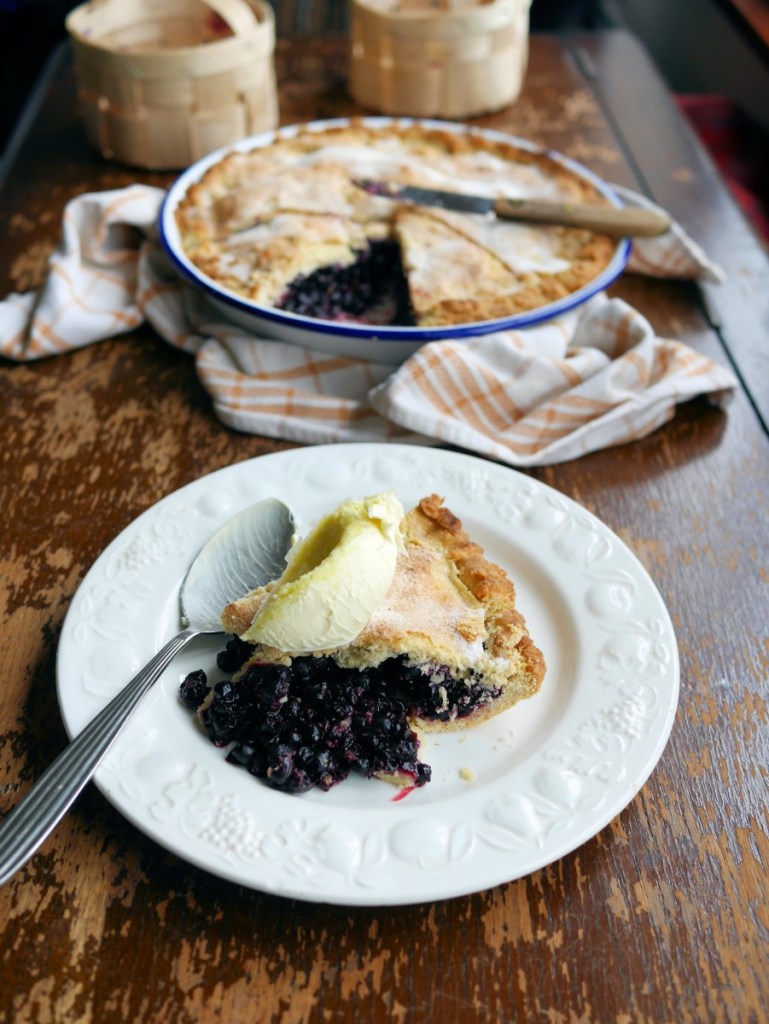
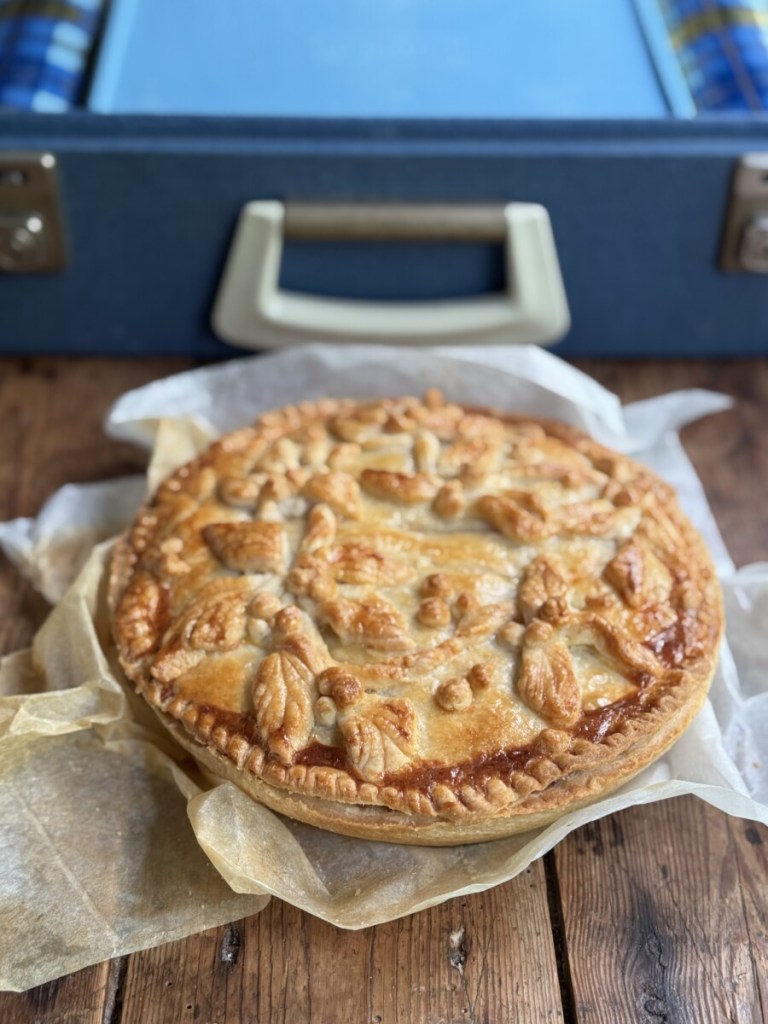
- sweet and savoury pies,
- assorted sponge cakes
- fruit cake
- biscuits
- crisps
- seasonal fruit
- scones, usually buttered
- pot of tea
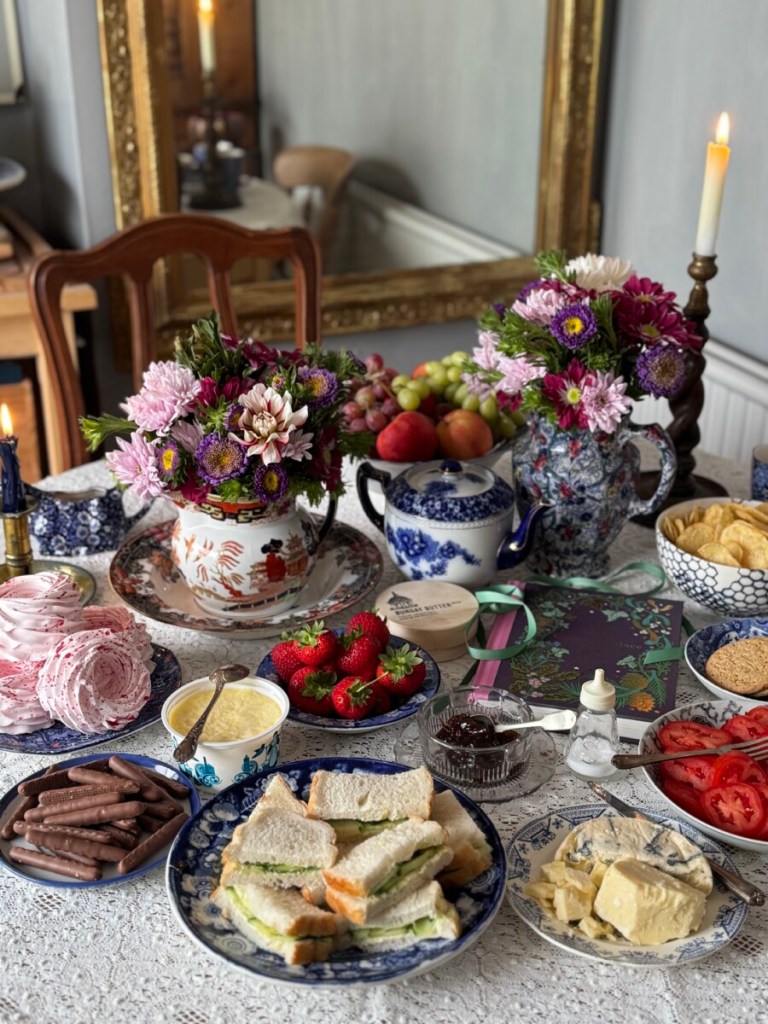
Typically taken between 5pm and 7pm, it’s your main evening meal, and it’s one I grew up with, as both my grandmother and my late mother used to serve a high tea most Sundays, as well as during the week when they’d been baking, or when they were entertaining guests or visiting family.
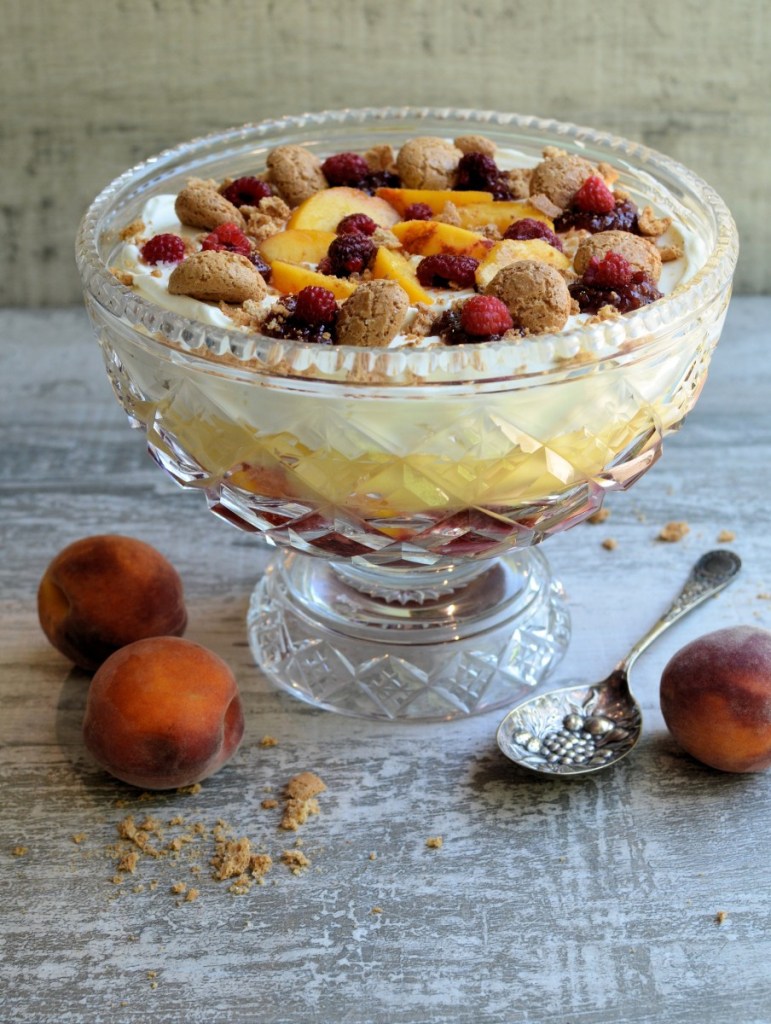
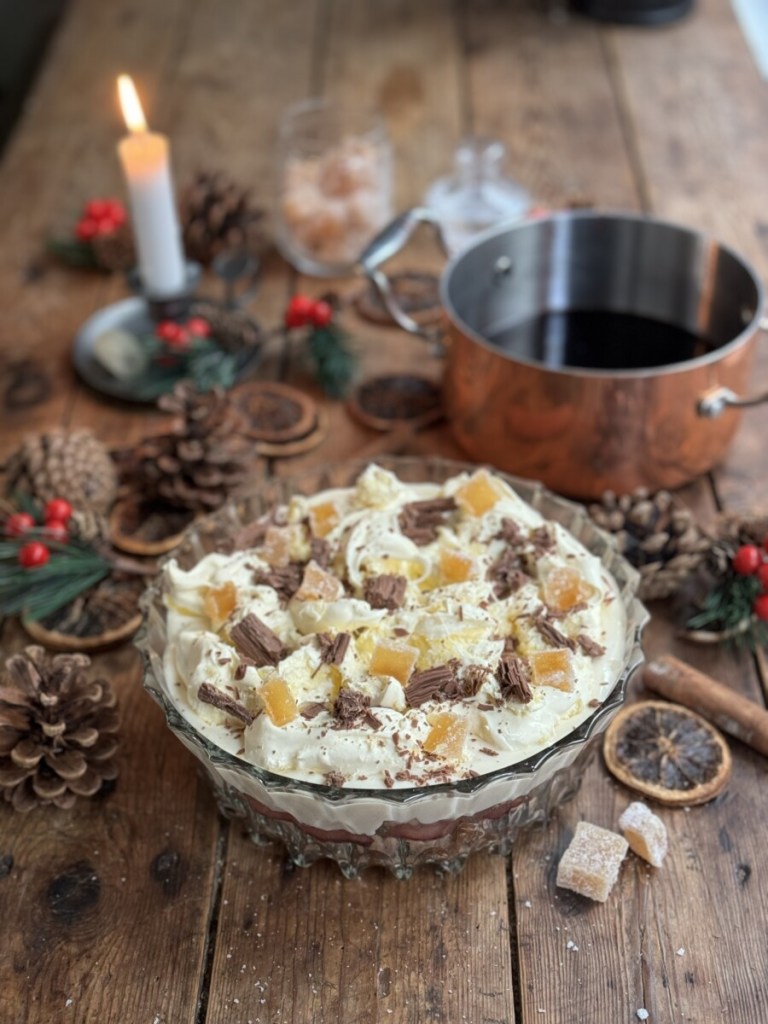
There were seasonal variations of high tea, with trifle making an appearance at Christmas, Easter, Mothering Sunday, and for birthdays.
There were strawberries and cream in the summer, soup or a simple vegetable stew in the winter, sausages too in the autumn and winter, and doorstop sandwiches after a hard day in the garden!
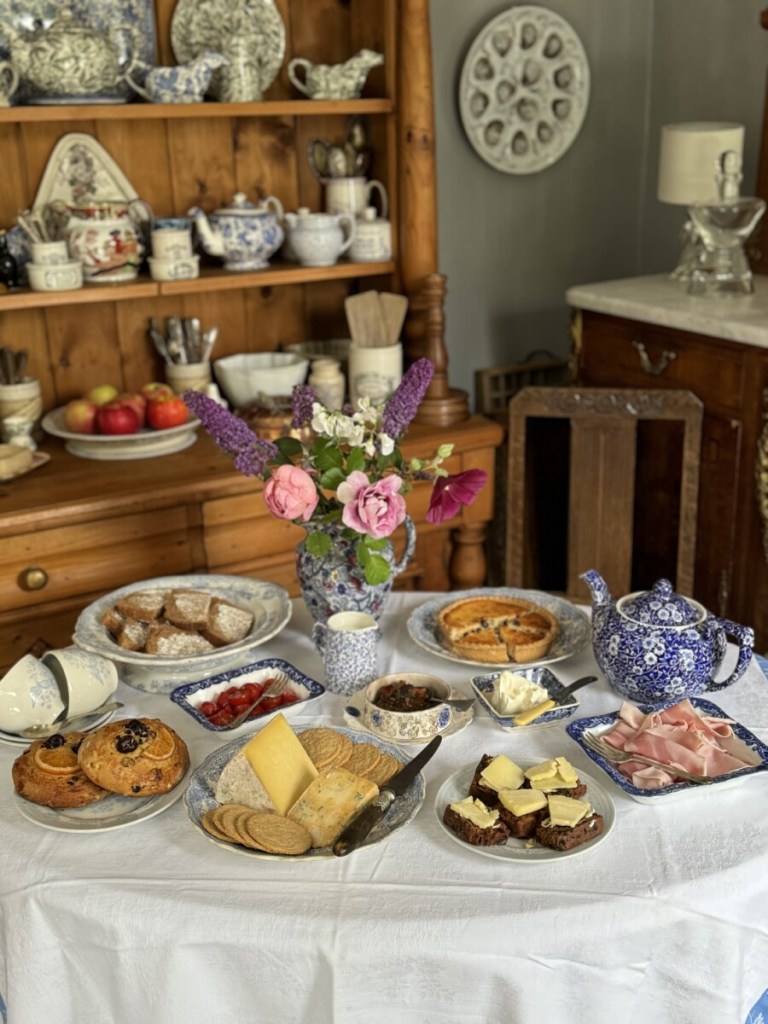
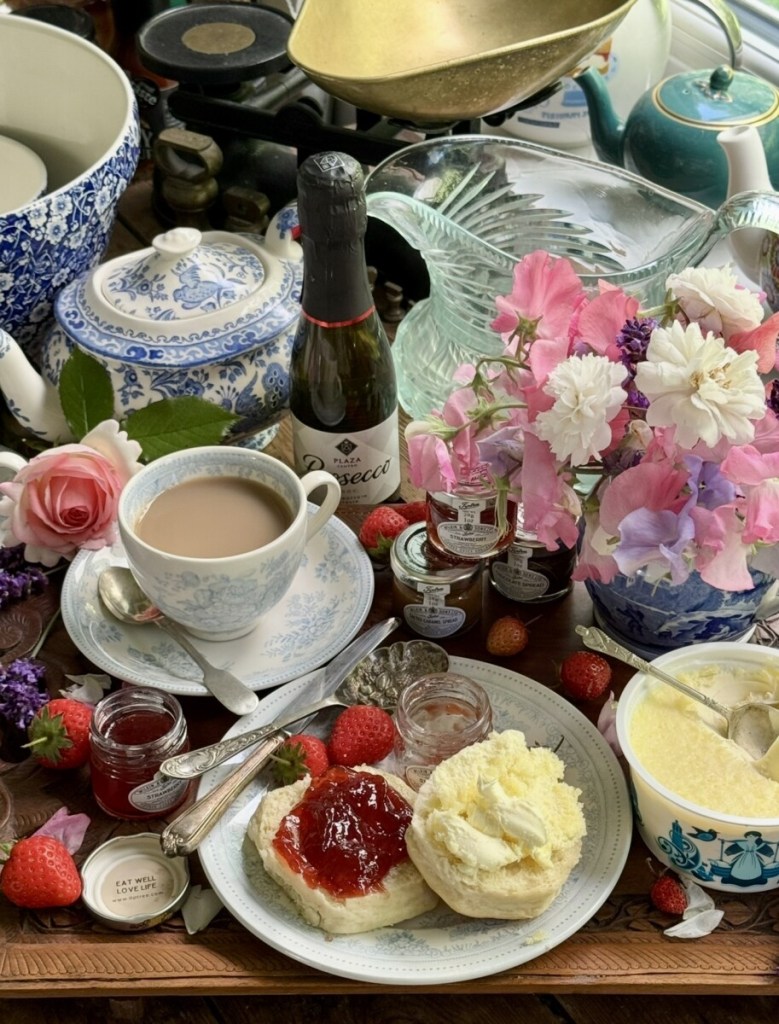
And a cream tea is something completely different. It’s essentially just scones with jam & cream and a pot of tea.
I hope you’ve enjoyed this snippet of culinary information today and please do join in the conversation here, or over on my Instagram post, Karen
Afternoon Tea Recipes
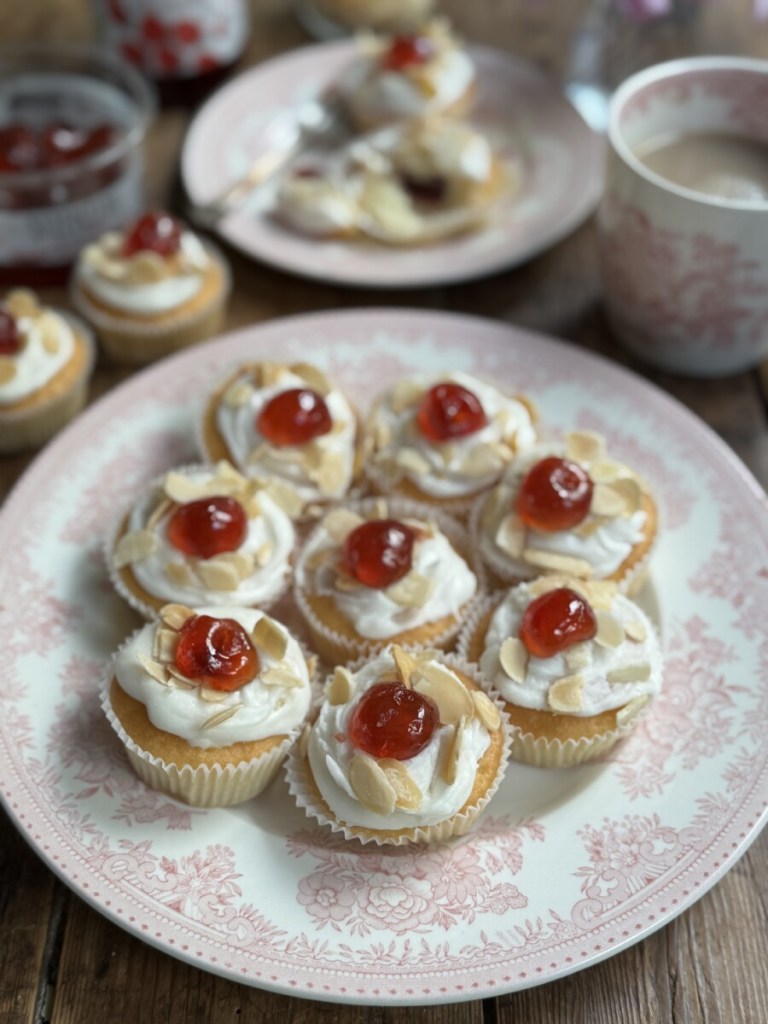
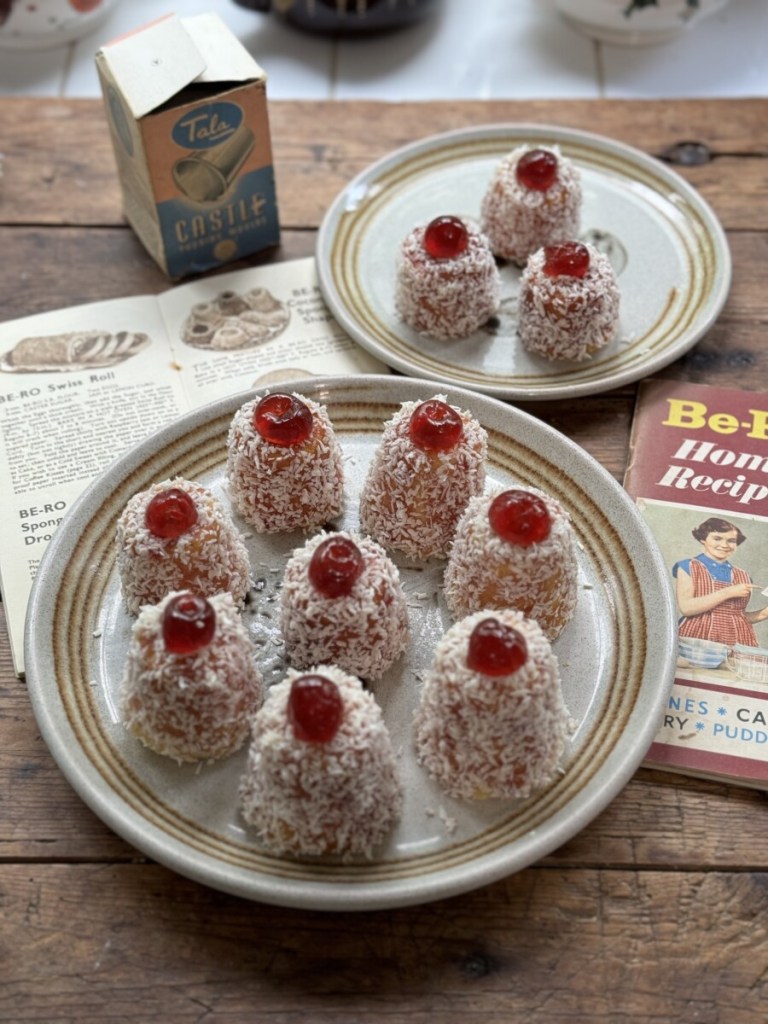
High Tea Recipes
Trifles
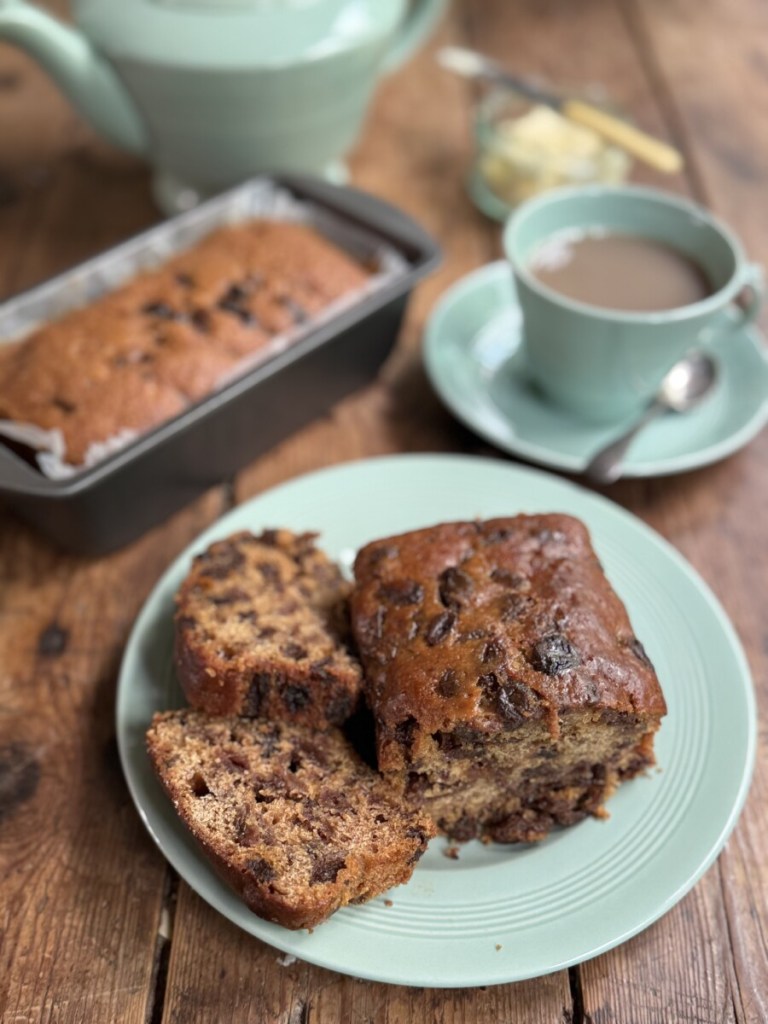
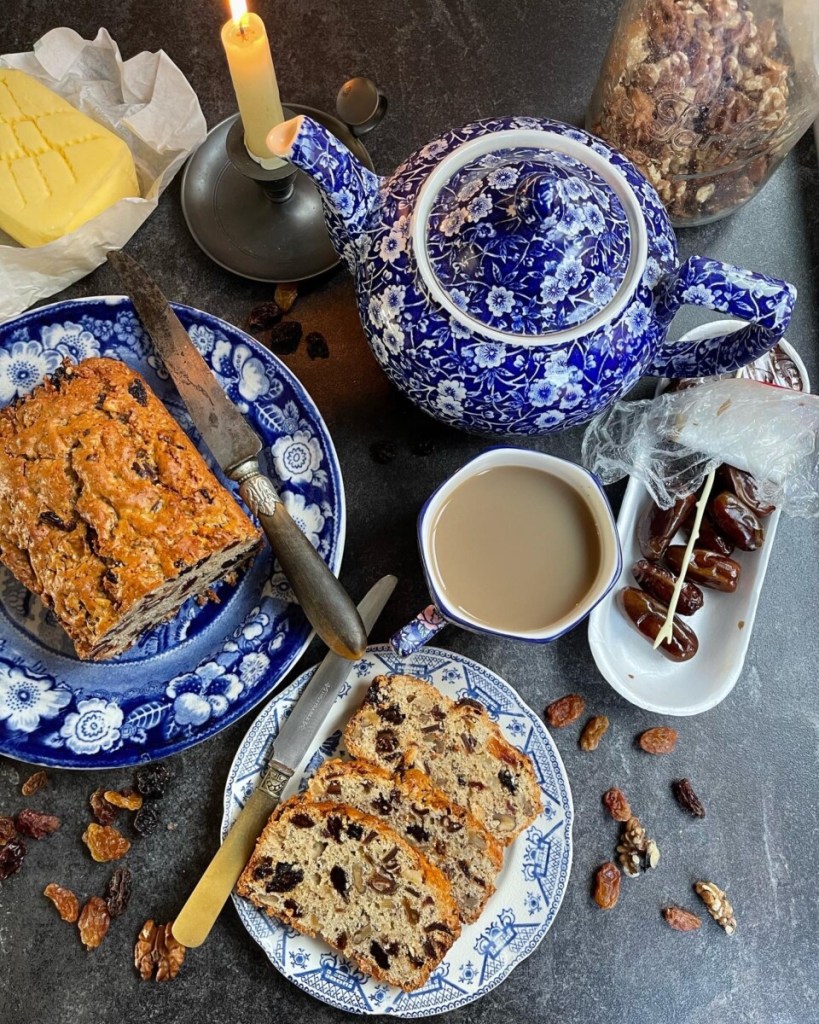
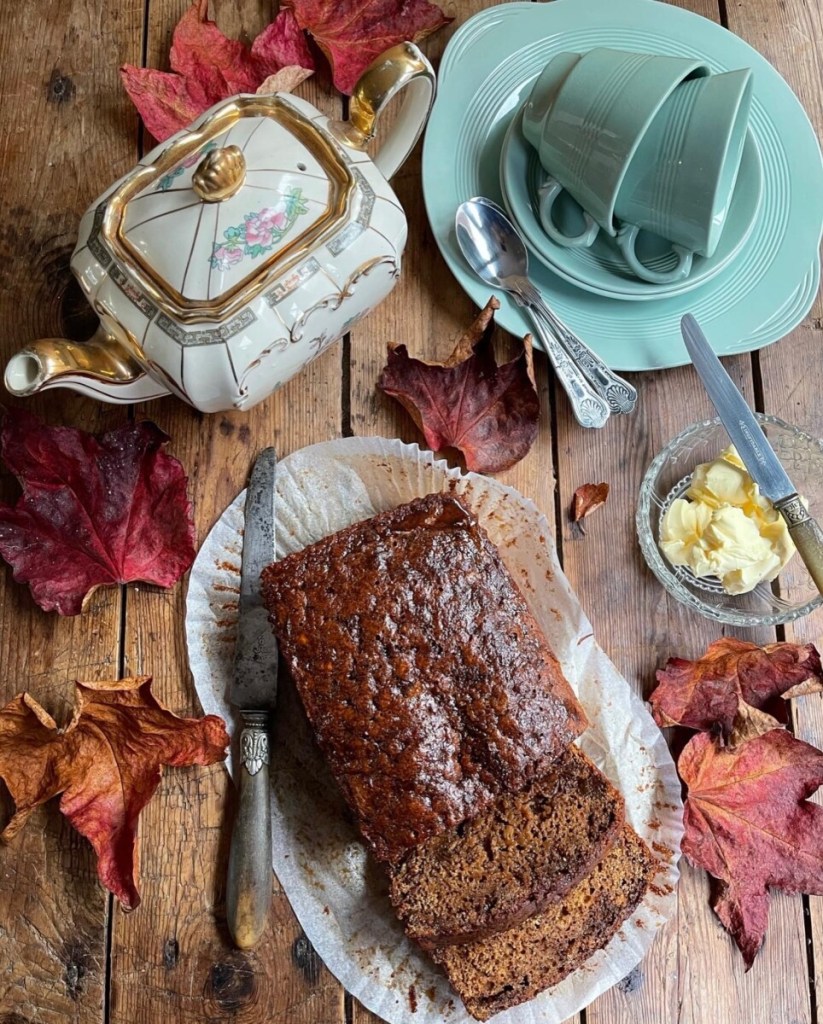
Fruit Tea Cakes and Loaves

<!–
–>